A short one today. Truly. I’m sure this will not spiral out of control once again into a 1000+ word screed about some something or something or other. Or some such things.
Regardless.
After last week’s missive about flattening of cultural artefacts, be they movie, music or the written word, I happened to engage with a book that was the exact opposite of what I was so frustrated with. More on that after these…
LOOSE TOPICS! GET YER LOOSE TOPICS HERE!
A passion shared is a passion doubled, and so record.club is a nice way to share the love for music. Share what you’re playing, review and see what others are into right now. I kind of wish I could just import my Discogs collection, but it’s a fun start.
You know your boy loves cameras. And Malcolm Jay has me thinking about building my own camera. The WLV-01 is a homegrown monochrome camera that you can buy fully assembled, but also in loose parts so you can assemble it yourself.

A! Portable! Apple! II! That’s it. That’s the blurb.
Speaking of fun projects, Low<-Tech Magazine is an online zine (love those) about lo-fi technology. Yeah, the name kind of gives away the idea. A fun fact about the behind-the-scenes of this zine is that it’s being served from a solar-powered server in Spain.
On the flip side of technology being put to good use, there are clippers. You know the clips you see on TikTok and Instagram from tv shows, movies, YouTube videos? Turns out that’s a whole business model, because… of course it is. The Verge has an interesting story about the boutique industry behind clipping. Bad news: your entire feed is bought and paid for.
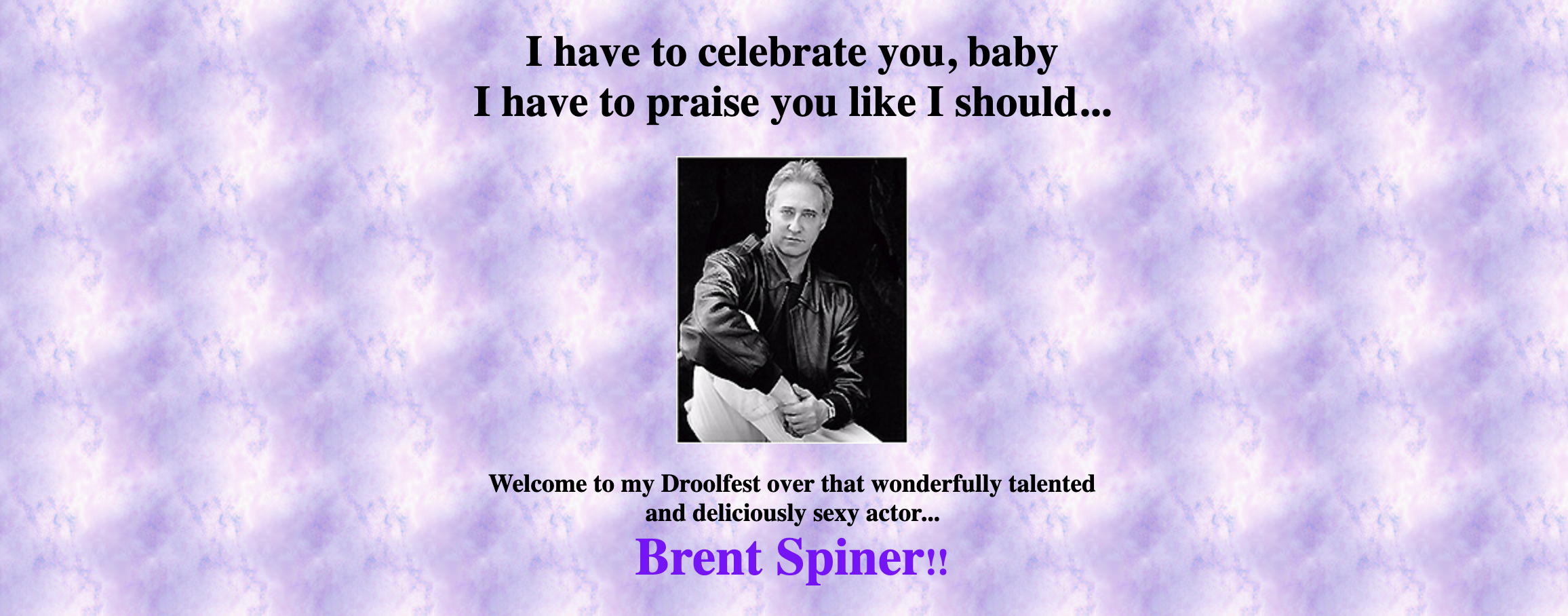
NEEEERDS! Yes, you! But also the 1999 documentary Trekkies, exploring the sordid world of Star Trek fans and their weird obsessions. And yes, I can say that, because around the time this came out, I was a card-carrying member of the Dutch Star Trek fan club myself. Literally. I had a card. One thing that stood out was the website of the kinda creepy Brent Spiner fan Anne Murphy, which is still reachable thanks to the miracle of the Wayback Machine.
NEW MUSIC!
First and foremost: the new Between Bodies record is out and it’s absolutely awesome. I’ve discussed this brilliant band before and they’re not letting up.
The Tallest Man On Earth spins a lovely folky tale once again in his latest single, Colors.
You want old school hardcore? You get old school hardcore, with Time X Heist’s latest, The Measure Of My Devotion.
Finally, some good video game news. If you’re mainly a Mac user, like me, it’s nice to know that Age of Empires II, aka one of the best games ever made, is now out for yer dang Macs.

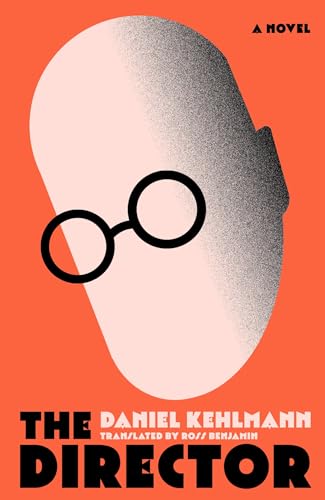
So then, let’s discuss The Director, a fairly recent book by Daniel Kehlmann. Allow me a quick pre-brief: this book is amazing and it’s currently at the top of my "favourite books of 2026" list. The reason for this "honour," such as it is, is because it engages the reader on the level of non-certainty that I crave from my art.
Bear with me as this poor author attempts to circumscribe the edges of a plot that I do not mean to give away. Let it suffice to say that the novel’s protagonist, acclaimed German director G.W. Pabst flees Nazi Germany only to land in Hollywood to no acclaim or renown, having to start from the bottom again. When his mother in Austria falls ill, he is forced to return, only to get trapped in the country when the borders close after the invasion of Poland.
As "luck" would have it, it turns out propaganda minister Joseph Goebbels is a big fan and soon our dear Georg is making German movies once more. Nothing political, of course, even "normal" German citizens require entertainment! And yet, of course, the vice of fascism closes ever tighter around this director’s throat.
The book spends most of its time seeing Pabst struggling with difficult choices on a sliding moral scale, all in the name of his true love: art. In this name, he ends up crossing lines he told himself he would stay on the right side of – or did he?
The Director eschews literal clarity, in its stead relying on narration from other characters around the famous director. This leads the reader to constantly ask themselves: is this actually happening?
Seek not answers to that question in this book, for it is not interested in giving them, allowing for the uncertainty to permeate the general feeling of the book.
What bears mentioning, however, is that this also does not result in a book of vague language or unfinished storytelling. Kehlmann threads the needle between these extremes deftly, telling a lucid story with clarity and a sharp pen.
It’s challenging to discuss this without getting into the specifics, but also I would rather not rob anyone else from the joy of experiencing this book unspoilt.
Suffice to say, there are artists, musicians and authors out there fighting the good fight – and there are among us audience members eager for it.