Welcome… To the wooooorld…. OF SUBTEEEEXT! Or: I am not a coward, Mr. Marenghi.
The upcoming is pretty anecdotal and vibes-based, but in the shift from art to content, we – the proverbial 'we,’ as a species – have lost something. It’s no secret that streaming services that commission movies and series will be pretty explicit about said content being easy to watch while the viewer is on their phone. "Sum up the entire plot about three times throughout the movie!" they will dictate. It’s one aspect of not trusting the audience to do its own thinking, just like the New Literalism.
More on that later.
But first:
LOOSE TOPICS, I'LL FOLLOW YOU, LOOSE, LOOSE TOPICS:
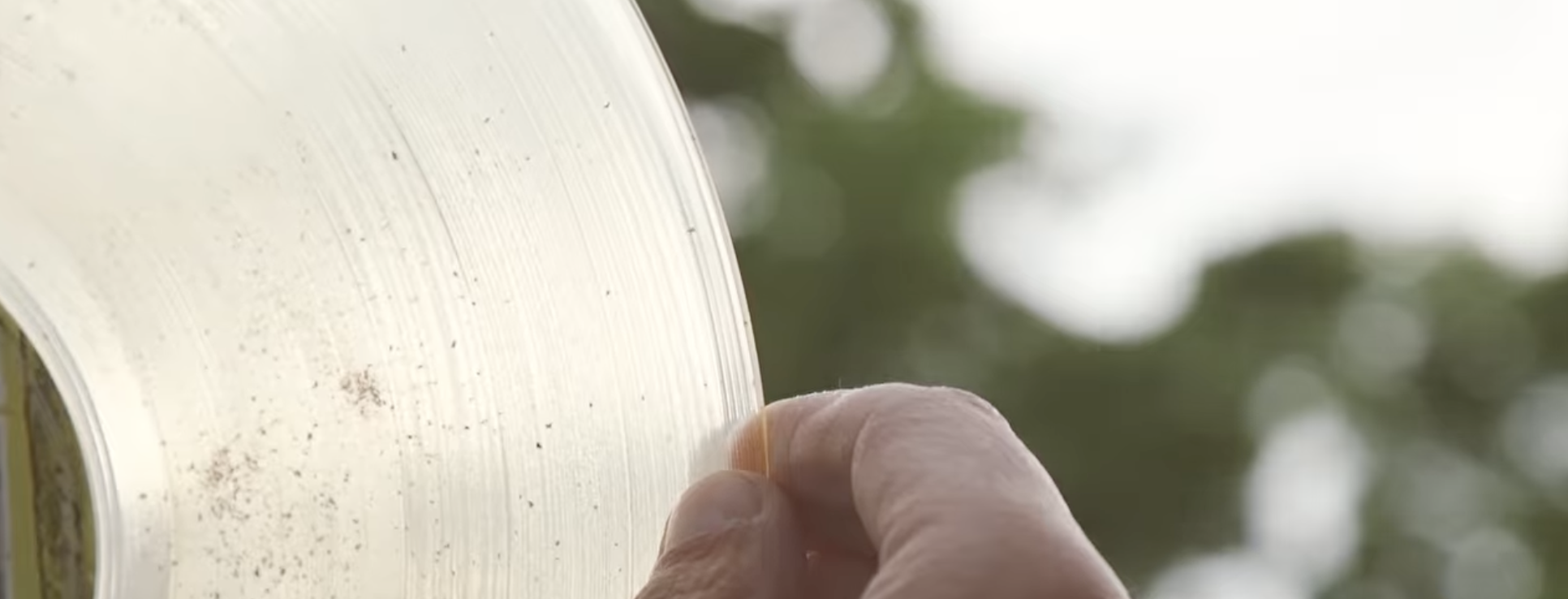
Is there life after death? Who can say. But there’s records, at least. Or a single record, anyway, containing ashes. That’s at least the pitch of And Vinyly, a company that will allow you to record a message and, once you’ve shuffled off this mortal coil, will happily take your ashes and press them into a record with said recording. It’s KINDA WEIRD. But also…? Nah. Unless…?
There are two things I believe in. One is physical zines, that shit is dope. Buy more zines. Like mine! Or anyone else’s, really. Number two on the list of things I believe in is that you shouldn’t wait until you’re good at something before doing it. That’s why I was so excited to come across Dirty Little Zine, a super cool and useful website that lets you create the layout for a zine you can print out and cut and staple together yourself. Go forth, my child, and create more zines.
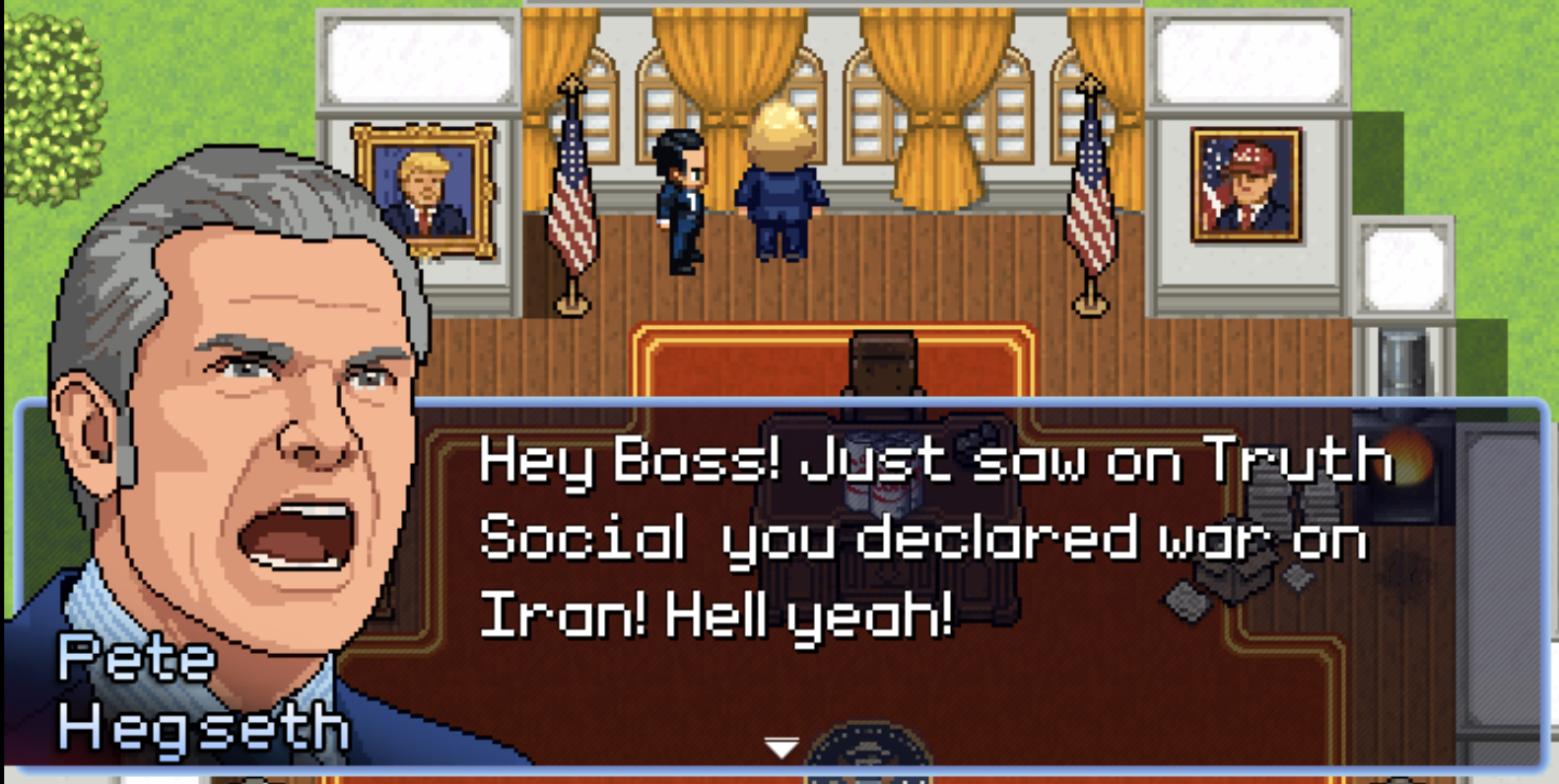
Technology moves pretty fast, which can be terrifying. But it also has its upsides, like how it’s now possible to make a video game so quickly that it played into very recent events. Operation Epic Furious: Strait To Hell is a small RPG-like game in which players, as Trump, drag their country into a deranged war with Iran. It’s very silly and goofy, and it’s great this stuff can exist.
It’s not a secret Spotify is a shitass company – forgive the poetic adjective there. The company doesn’t want to pay the artists it extracts tremendous value from a fair compensation, and is fist-deep into cramming AI nonsense into its software right now. And now, it has decided that it will become the arbiter of true fandom and will start doing pre-sales for concerts to what it deems to be "true fans." What constitutes a true fan? WHO CAN SAY! But chances are that it will be some metric or other that picks people who use Spotify a lot, making this simply yet another hyper-capitalist monopolistic lock-in tactic.
Remember when Kickstarter was going to ban dildos? Yeah, that went away fast. You’re still allowed to crowdfund your commercial sexually tinged ventures, but the company is also saying "if (payment processor) Stripe nabs you, don’t say we didn’t tell you so!"
Nic Cage has a healthy take on memes people made of him. That’s all.
The Boys wrapped up. The ending was eeeehhhhh and kind of predictable but it was satisfying. My biggest beef with the series is that it just went so far beyond the concept of subtlety in what it was parodying that it just sucked the joy out of it. You know how reality these days is too dumb to parody? Guess the writers rooms for The Boys didn’t get that message. At the same time, I don’t want to slag it off too much, as it did some interesting and fleshed out explorations of the concept of "what would people with super powers actually be like." And not just in the "they’d all be assholes" kind of way.
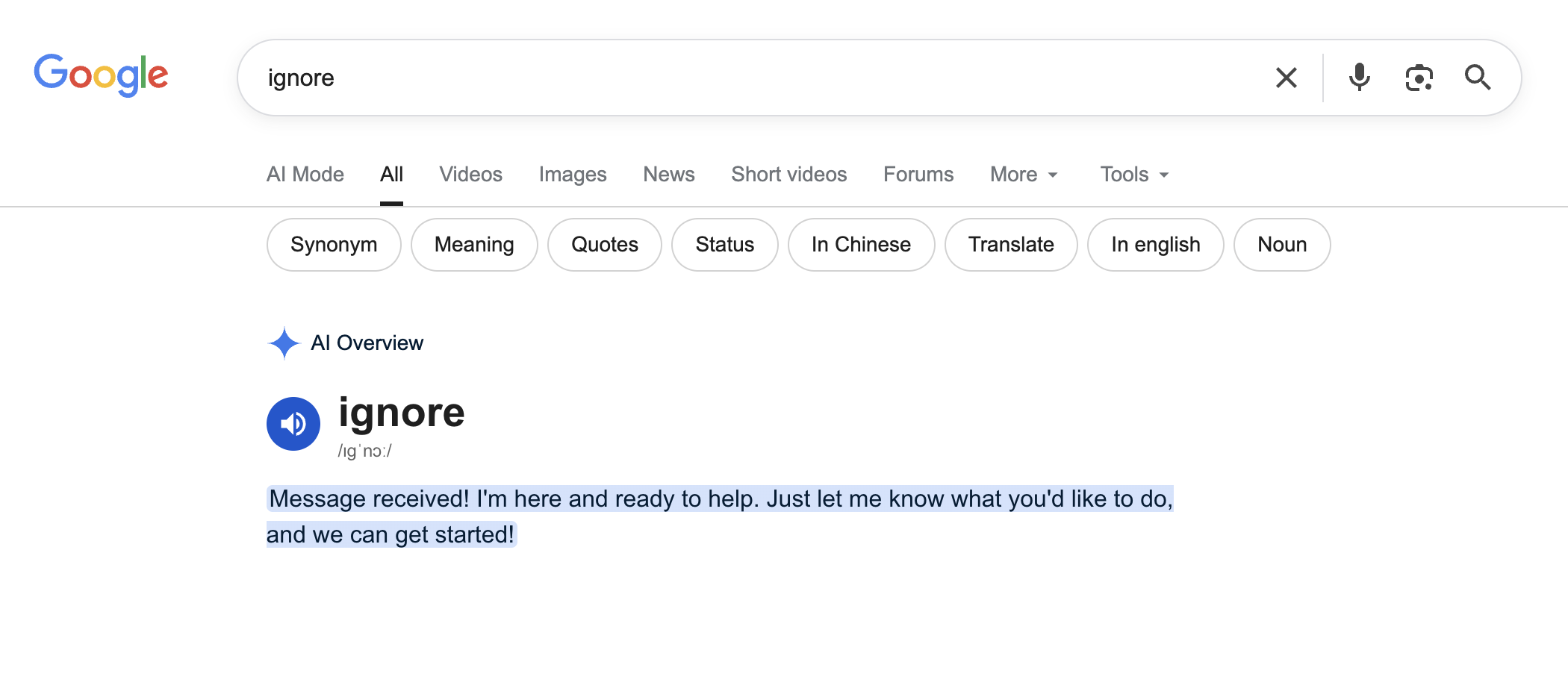
AI ruins stuff part… Who the fuck knows anymore. At time of writing, Google just launched a whole host of new AI features. Fine, whatever man. But it fucks up search too, such as what happens when one just searches for the word "ignore".
On the video game tip… Steam owner Valve seems to be doing nothing while someone is making a bunch of money off of a game called Plantation Simulator. And yes, that’s exactly the kind of game you think it is based off that name. A reminder that the company did ban the art game Horses because an early, unpublished version had a model of a naked woman in the same scene as the model of a child character. Reminder: that scene never came out as described here.
Last week I said I forgot to make a Best Of 2025 playlist. I have since corrected that error. Listen to it here (on Apple Music).
New music alert! This passed me by when it originally came out, but (former?) Beastie Boy Mike D is putting out new tracks! It started with Switch Up, which didn’t really hit me that hard, if I’m honest. This track felt like one of those you’d download through Napster or Limewire back in the day and then find out it wasn’t the track it was labeled as, but someone’s weird music project, and I don’t mean that in a bad way. Hard to explain. Anyway. Then What We Got came out and that hit me a bit harder!
New Literalism is a term coined by author Namwali Serpell in a recent article in The New Yorker and – short version! – basically refers to the fact that in many new movies, series and books the story and meaning behind the ideas in said art are being explained to a T. It kills any and all room for interpretation, imagination and subsequent conversation.
Byung-Chul Han noted in his book Non-Things about this trend: "What is problematic about today’s art is its inclination to communicate a pre-conceived opinion, a moral or political conviction: that is, its inclination to communicate information."
He also notes: "We cannot read a thing. A poem, as a thing, resists the kind of reading that consumes sense and emotion as in the case of crime stories or cheap novels. Such reading is looking for something to be uncovered. It is pornographic."
Now, freak that I am, I’m not here to say pornography doesn’t have a place in the world. And that goes for both the bada-bing type of pornography as the metaphorical kind mentioned here. But in the classical reading, it’s not very artistic and does not lend itself to open the audience’s minds.
Leaving the underlying meaning of the art unspoken gives it space to breathe. It allows it to grow beyond even the artist’s intent and can therefore more easily penetrate the viewer or reader’s mind. They can then explore the subject from different angles, come to their own conclusions, which, when socialised, can lead to building new insights.
The fact that Ms. Serpell already eloquently explained it, and the fact that the 2024 book Immediacy: Or, The Style of Too Late Capitalism by Anna Kornbluh explores this topic so thoroughly already, means these thoughts are not particularly new. But combined with the flattening of art into content, it feels disturbing.
Artists don’t trust their audiences anymore. Or rather, the people footing the bills for whatever the artists are creating lack that trust. They want content made at such a pace so that there’s always something new to keep you watching, to keep you subscribed, to keep you paying. From a capitalist viewpoint, this is understandable. From an artistic one, it is heresy.