Due to an amount of mental flagellation that is difficult to define in linear time, you will not catch me often saying something nice about myself. Naturally, your dear writer tries to live a couth lifestyle, trying not to offend where possible, but at the same time I’m certainly not holier than any thou.
What I will say is that I’m honest, generally speaking. Experience has taught me that lies told tend to grow to become spiders spinning webs that sooner or later will trap you. Best to squash these bugs forthwith, despite the immediate pain.

And yet, at times I wish I could lie better, because it would allow me to say outrageous things like "these days, I don’t really read reviews anymore."
This would be a lie, because like any other consumer of modern culture, I do read, watch and listen to reviews of works of art, be they musical, cinematic or otherwise in nature.
On a philosophical level, I find reviews or criticism to be unhealthy if consumed before one has perceived the original work, as it tends to preload an opinion before one’s own, pure assessment has had a chance to form.
The concept of reviewing owes a debt to capitalism and the society it has created in which culture is a privilege for which one needs to spend their hard-earned money. Money that can only be spent once, of course, creating the underlying stress that we’d best spend it on only the most revered forms of culture, lest we feel robbed because the culture we consumed wasn’t cultural enough for our liking.
It’s hard to avoid the pre-release maelstrom of opinions on any given new work, of course. Especially more notable works will get dissected to the point of nary a fibre of them being left to pick over, before any regular member of the public will have had a chance to experience it. FOMO is a bitch.
As noted, I’m certainly not innocent when it comes to approaching the holiness of fresh art unspoiled, though I’ve put in an effort in the realm of literature to not dive too deep into any discussion about new works.
I keep a list of books I want to read. If the description of the book appeals to me, it goes on the list. Slowly, I work my way through the list. This is the ritual.
This approach has worked well for me. It has unburdened me of expectation and taught me to not poison the work with undue weight that it has not earned. I would recommend it for anyone.
Have the courage of your convictions to come to art on its terms, as the artist released it from their grasp into the world for anyone’s sake, and form your own opinions about it. Only bring yourself to meet it and you will find a much more welcoming space, even when the art itself doesn’t agree with you – or vice versa.
The beauty is that it’s here that you get to explore why you find a work appealing or appalling. There’s no one else in your brain to determine that, no whisper of the New York Times Book Review, no ghost of Roger Ebert dot com to spin you now way or the other. Just… you. Art aficionado: know thyself.
It’s an enriching practice because it allows for a honing of taste on the whetstone of one’s own experience.
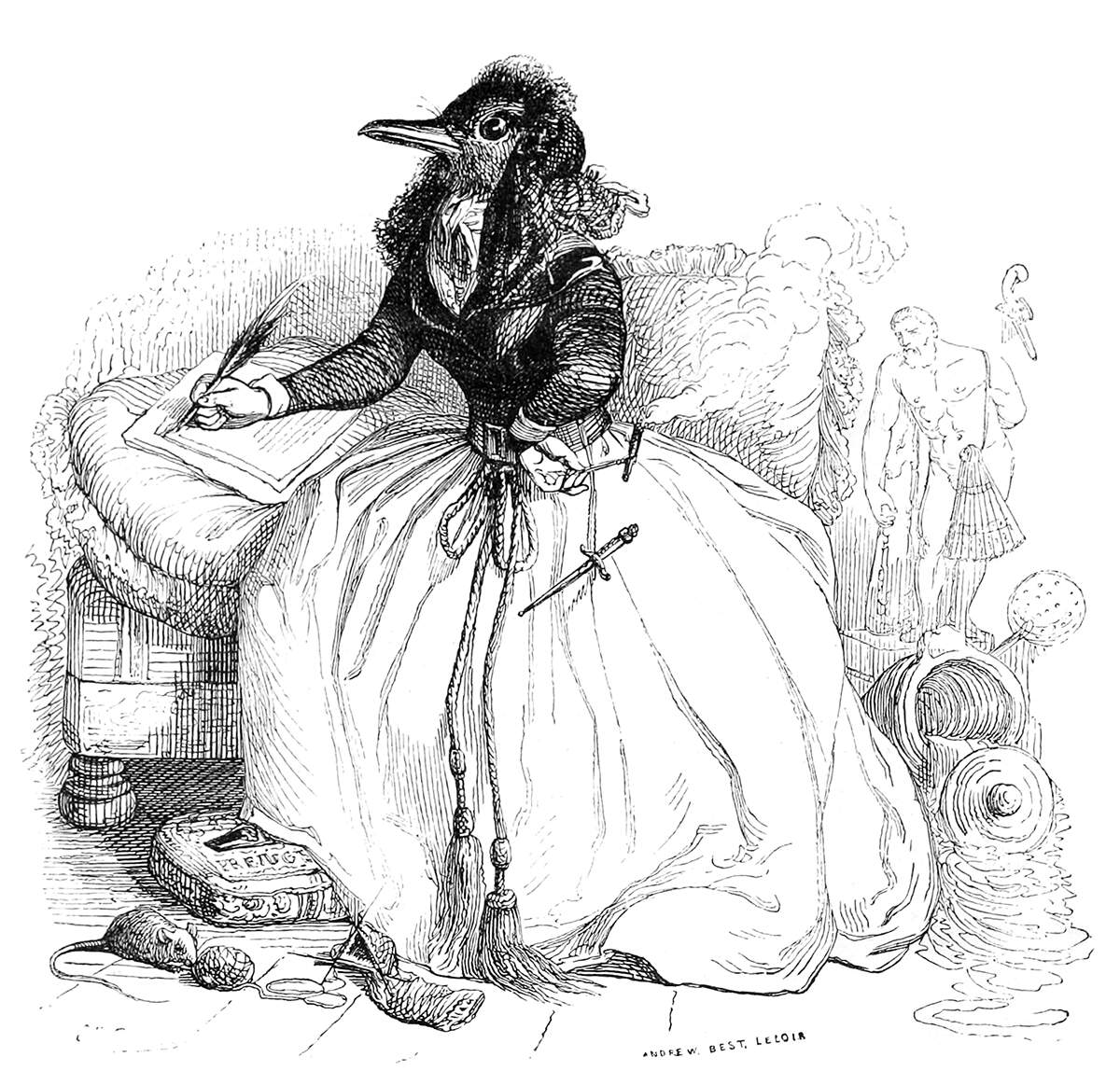
Having said all this, do not misconstrue this plea to mean I wish you to shy away from discourse about art. I love reading about albums, films, books and whatnot after I’ve experienced them. Other viewpoints can enrich your own, make you perceive works from angles you could not even conceive of. Remember that we take our lived experiences into how we experience the world around us – and thus the art we perceive – and it becomes clear that different lived experiences make for different views on the same work.
For this to matter, however, we need to let go of the idea that there is such a thing as an objective truth when it comes to art, or that one viewpoint is "better" than another. More refined? Could be. Better argued? Sure. More aligned with my own? Definitely. But since we’re playing in the realm of the mind, we will never be able to define an opinion or viewpoint as "better."
It’s imperative to expand one’s mind to be able to hold more than one truth in it at the same time, which in turn breeds understanding and empathy over the long term.
But before we can hold other people’s truths, we must first find our own.